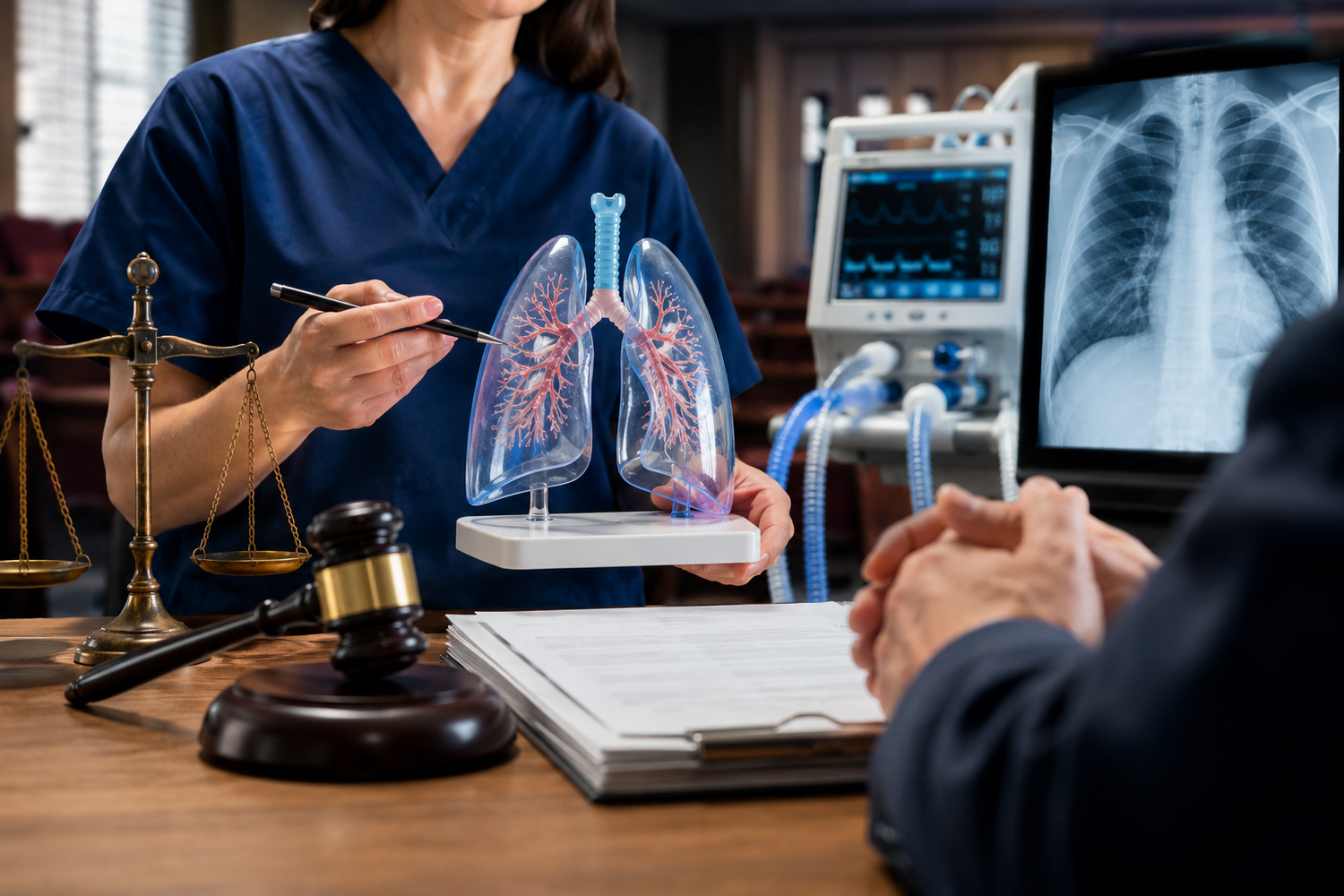
Let's be honest, most people outside the legal or medical world have never heard the term respiratory therapist expert witness. But if you're an attorney handling a case where a patient stopped breathing, was kept on a ventilator too long, or suffered complications from oxygen therapy gone wrong, this is probably the most important hire you'll make for that case.
I've seen cases fall apart not because the facts weren't there, but because the expert couldn't explain those facts in a way that stuck with the jury. That's the real job here.
So What Exactly Does This Expert Do?
A respiratory therapist expert witness isn't just someone who shows up and reads from a report. They dig through the medical records, sometimes hundreds of pages of them, and figure out whether what the care team did actually matched what should have been done based on accepted clinical standards.
Then comes the harder part: explaining all of that to people who've never seen the inside of an ICU. Judges, jurors, and even some attorneys don't know the difference between BiPAP and a standard oxygen mask. A good expert makes sure they understand enough to make the right call.
It's less about impressing people with credentials and more about giving the courtroom a clear, honest picture of what happened at the bedside.
Cases Where You'll Almost Certainly Need One
Respiratory therapy expert witnesses come up in more case types than most people realize:
- A patient put on a mechanical ventilator who develops complications that go unaddressed for hours
- A premature baby who suffers brain damage after oxygen levels weren't monitored properly
- Someone in the ER who stopped breathing while staff were occupied elsewhere
- A post-surgical patient whose airway was mismanaged during recovery
- A worker with occupational lung disease whose condition was dismissed or undertreated
- A wrongful death where the family believes the ventilator was removed too soon, or kept on too long
In every one of these situations, you need someone who has actually managed these patients, not just read about managing them.
Credentials Matter, But They're Not Everything
Yes, you want a Registered Respiratory Therapist. Ideally someone with critical care experience, real bedside time in an ICU or emergency setting, not just a clinical background from twenty years ago that they've coasted on since.
But honestly? Credentials get you in the door. What keeps you there is how someone performs under cross-examination. Defense attorneys are going to push hard. They'll challenge methodology, question sources, and try to poke holes in every opinion. Your expert needs to stay calm, stay clear, and not get rattled when the questions get aggressive.
The best ones I've come across are the people who can sit in a deposition for three hours, get peppered with technical challenges, and still walk out having never contradicted themselves once.
The Difference Between a Good Expert and a Great One
A good expert knows medicine. A great expert knows the medicine and knows how to make twelve regular people care about it.
There's a real skill in explaining why a two-hour delay in recognizing respiratory failure matters. Or why adjusting a ventilator setting without a physician order is a serious deviation from protocol, not just a paperwork issue. The facts alone don't always land. Context does. Consequences do. Human stakes do.
Great respiratory therapist expert witnesses understand they're not in a lecture hall. They're in a room where someone's life, or someone's livelihood, is being decided. They treat that seriously.
One Thing a Lot of Attorneys Overlook
When you're vetting candidates, look at whether the person has worked both plaintiff and defense cases. It matters more than most people think.
An expert who only works for plaintiffs is going to get torn apart on cross with that fact. An expert who has testified on both sides comes across as someone who follows the evidence, not a paycheck. That reputation for objectivity is worth more in front of a jury than almost any credential they can list on a CV.
Where to Find a Qualified Respiratory Therapist Expert Witness
Doing this search on your own is time-consuming and honestly hit-or-miss. You end up on LinkedIn or calling around to hospitals, hoping someone knows someone.
A better route is working with a service that has already done the vetting. Homestead Experts specializes in exactly this, connecting legal teams with respiratory therapy professionals who have real clinical experience and a proven track record in legal proceedings.
The Bottom Line
Respiratory cases are some of the most technically demanding in medical malpractice law. The equipment is complicated, the protocols are specific, and the margin between a defensible decision and a negligent one is sometimes very, very thin.
A respiratory therapist expert witness who knows their stuff, and knows how to communicate it can be the single biggest factor in how a case resolves. Don't treat this hire as a checkbox. Treat it like the strategic decision it actually is.